
What Is a Vial Label?

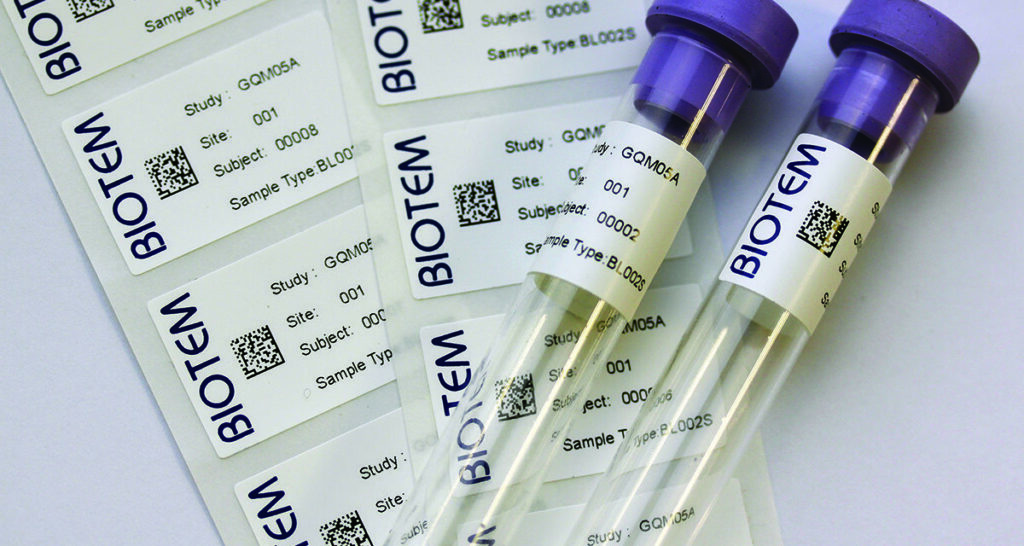
A vial label is a small but essential self-adhesive piece of material designed specifically for labeling vials—typically those used in pharmaceuticals, laboratories, and medical settings. These labels carry vital information like batch numbers, expiration dates, dosage instructions, barcodes, and regulatory details, while also ensuring proper adherence and readability on glass or plastic surfaces.
Key Features of Vial Labels
-
Material Variety
- Paper: Cost-effective, available in matte to glossy finishes; less durable under extreme conditions.
- Vinyl / PVC: Highly durable, water- and chemical-resistant—ideal for cold storage or outdoor exposure.
- Polypropylene (PP): Lightweight, resistant to moisture and oils, and adheres well to curved surfaces like vials.
- PET (Polyester): Durable and dimensionally stable—commonly used in rigid settings.
-
Adhesive Types
- Usually pressure-sensitive adhesive, designed for reliable attachment to various vial surfaces.
- Specialty adhesives like cryogenic adhesives ensure performance in frozen or refrigerated conditions.
-
Customization and Formats
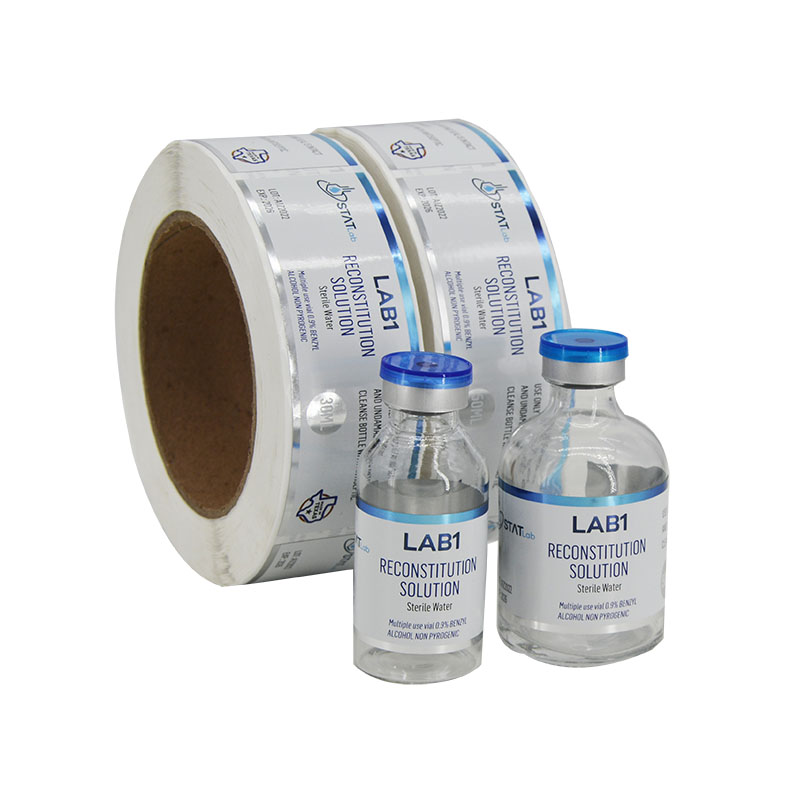
- Available in rolls or sheets, often supplied in roll format for high-volume applications.
- Fully customizable shapes, colors, and designs to match branding or convey specific technical information.
- Finish options include varnish, lamination, cold foil, and holographic enhancements for visual appeal and extra protection.
-
Functional Uses
- Carry critical pharma data: ingredient lists, dosage, batch/lot numbers, barcodes, QR codes, or security features like serial numbers and holograms.
- Designed to withstand environmental stresses—cold temperatures, humidity, cleaning agents, or chemical exposure—without smudging or peeling.
Common Applications of Vial Labels
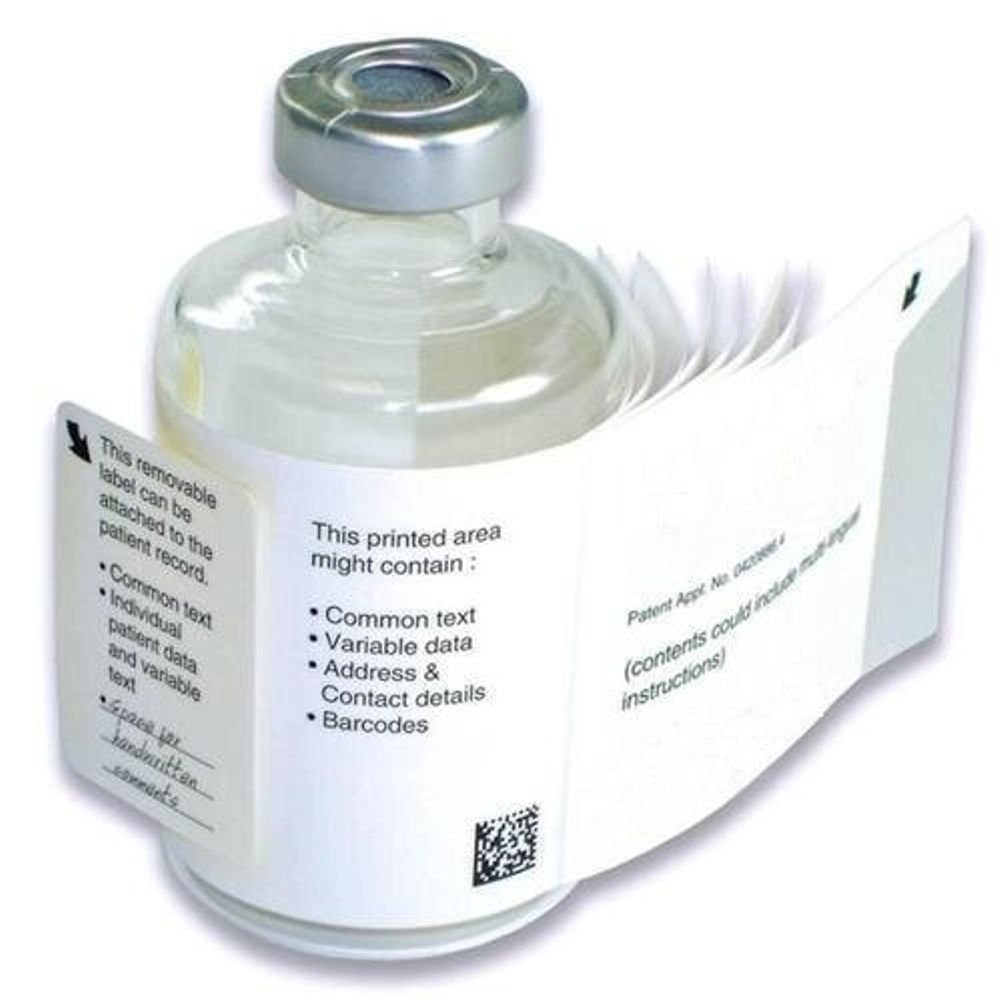
- Pharmaceutical Storage & Cold Chain: Labels on vials in refrigerators or freezers must stay intact and legible through fluctuating temperatures.
- Security & Traceability: Anti-counterfeiting features like holograms, specialty inks, serial numbers, and barcodes help ensure authenticity and meet regulatory requirements. (Barcode International)
- Lab and Industrial Use: Laboratories use durable labels to track research samples or calibration statuses. Users often seek long-lasting labels to withstand frequent cleaning and sterilization.
Why It Matters to Industrial Buyers
For industrial procurement—especially in pharmaceuticals or medical devices—choosing the right vial label type is vital because it impacts:
- Regulatory Compliance: Labels must meet strict standards for legibility, content, and security.
- Operational Reliability: Proper adhesion and durability save on rework and ensure smooth logistics.
- Brand Integrity & Safety: Counterfeit protection and clear traceability safeguard both reputation and supply chains.
Summary Table: Vial Label Breakdown
| Feature | Purpose / Benefit |
|---|---|
| Materials | Paper, PVC, PP, PET—selected based on durability and environment |
| Adhesive Type | Pressure-sensitive or specialty adhesives for harsh conditions |
| Format Options | Rolls or sheets, customizable shapes and printing |
| Finishes | Varnish, lamination, foil, security features for protection |
| Primary Uses | Regulatory data, branding, tamper-evident, cold-chain compliance |
Send Your Requirement: Sales@barcodeinternational.in